Rwanda’s agricultural landscape is evolving, and mushroom farming is emerging as a game-changer for rural households. At Philemon Farm Ltd, we’re at the forefront of this movement, leveraging Juncao Technology to turn fast-growing grass into nutritious mushrooms, economic opportunities, and environmental solutions.
With Rwanda’s climate and terrain favoring small-scale, low-cost mushroom cultivation, thousands of farmers are now growing protein-rich mushrooms at home—reducing malnutrition, creating jobs, and protecting forests. Here’s how we’re making it happen.
Why Mushroom Farming is Thriving in Rwanda
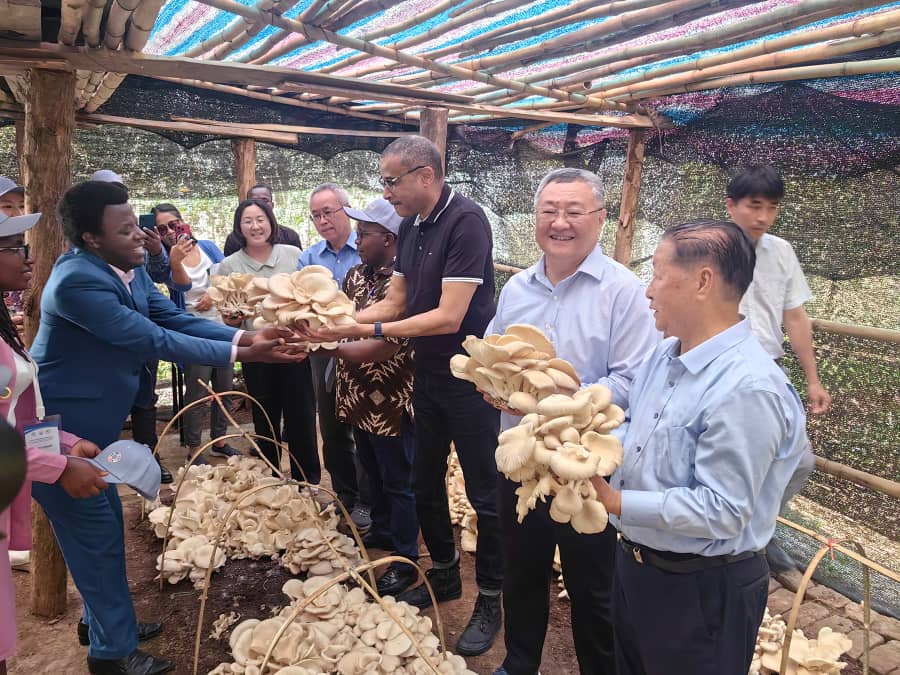
Mushrooms are ideal for Rwanda’s agrarian economy:
- Low Space & Investment: Grown indoors or in small shaded areas, perfect for land-scarce regions.
- High Nutritional Value: Rich in protein, vitamins, and minerals to combat malnutrition.
- Eco-Friendly: Uses agricultural waste (like Juncao grass) instead of timber, preserving forests.
At Philemon Farm, we’ve combined traditional farming with Juncao innovation to make mushroom cultivation accessible, profitable, and sustainable.
Juncao Grass: The Secret to High-Yield Mushroom Farming
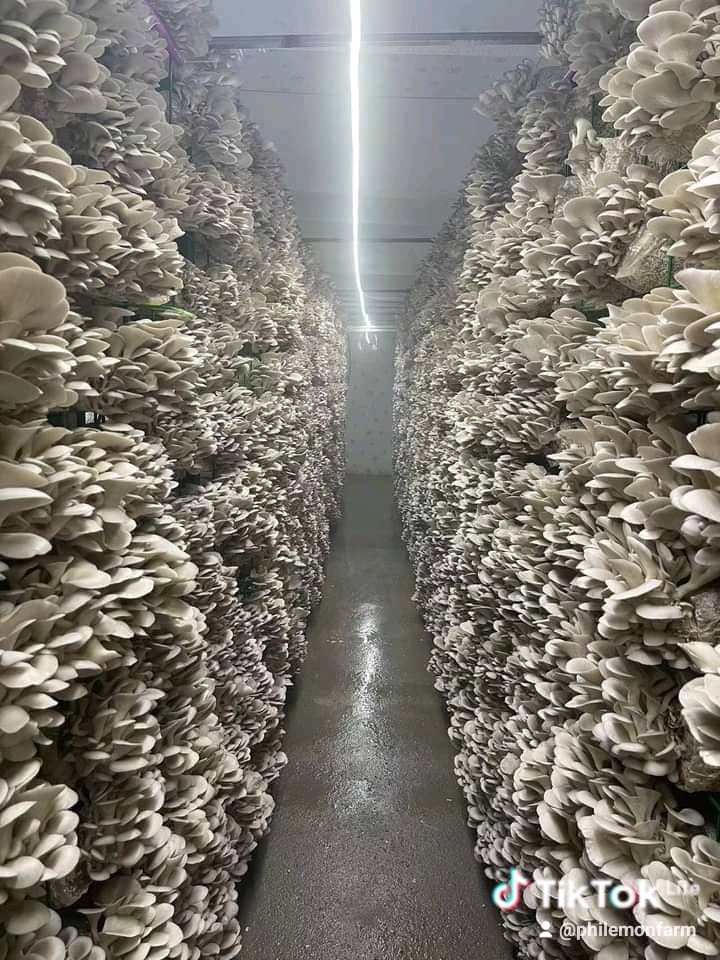
Juncao (“mushroom grass”) isn’t just livestock feed—it’s the backbone of our mushroom production system:
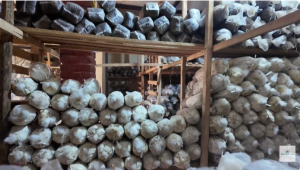
- Substrate Preparation: Juncao grass is chopped, sterilized, and packed into bags as a nutrient-rich growing medium.
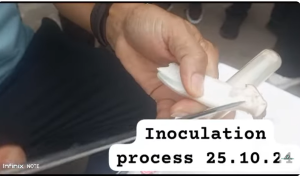
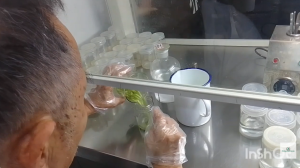
- Spawn Inoculation: Farmers insert mushroom spawn (seeds) into the substrate.
- Harvesting: Mushrooms grow rapidly, with yields 3x higher than traditional methods.
Benefits for Rwandan Farmers:
- Cost Savings: Juncao replaces expensive imported substrates.
- Higher Profits: We buy back harvests for processing and resale.
- Dual Use: Leftover substrate becomes animal feed or eco-charcoal.
Success Stories: Rwandan Farmers Reaping Rewards

Example 1: Odette’s Home Mushroom Farm (Northern Province)
Odette, a mother of four, started growing mushrooms using Juncao substrates after Philemon Farm’s training. “In just 3 months, I earned enough to buy school supplies and a goat. My children now eat mushrooms daily—they’re healthier.”
Example 2: Cooperative in Kayonza District
A women’s cooperative partnered with Philemon Farm to supply mushrooms to Kigali markets. “We’ve doubled our income and hired 10 more women,” says cooperative leader Alice.
How to Start Mushroom Farming with Philemon Farm Ltd
We provide end-to-end support:
- Training: Hands-on workshops on substrate preparation, spawn inoculation, and harvest techniques.
- Supplies: Affordable mushroom spawn
- Market Access: We buy back fresh mushrooms for our processing unit and retail partners.
Popular Mushroom Varieties We Cultivate:
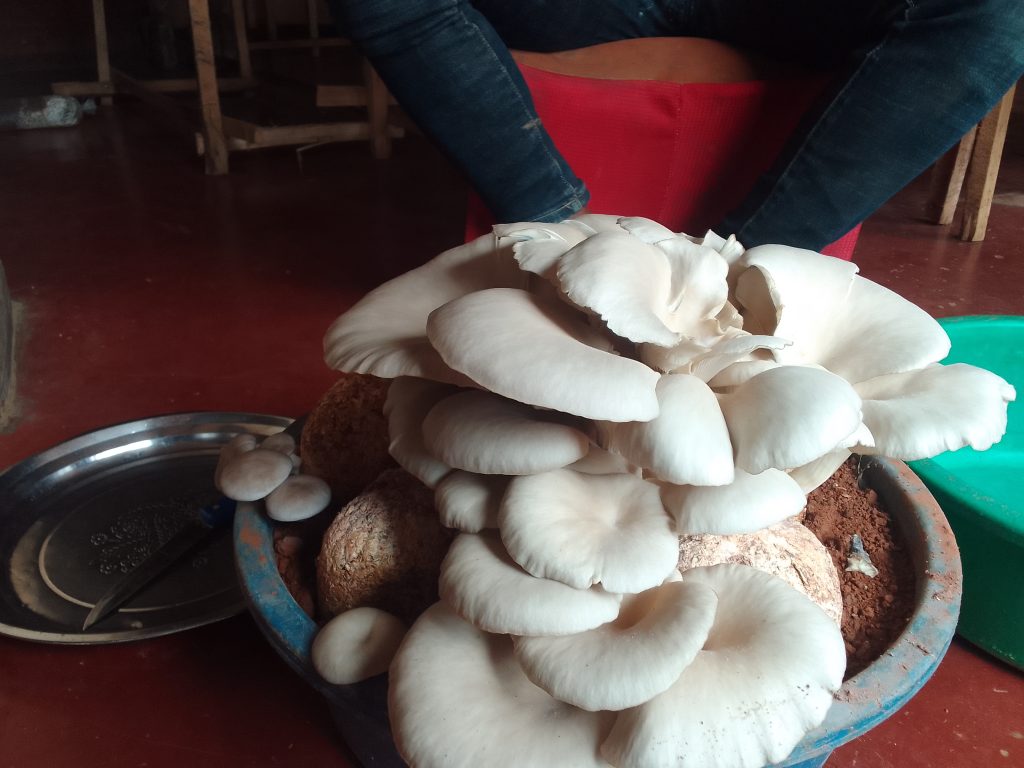
- Oyster Mushrooms (fast-growing, high demand)
- Shiitake (premium value for export markets)
Beyond Fresh Mushrooms: Adding Value
Philemon Farm processes mushrooms into:
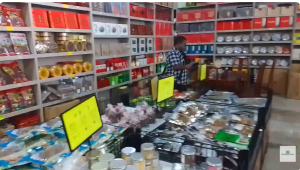
- Mushroom Powder: For soups, sauces, and baby food.
- Snacks: Mushroom samosas, biscuits, and pizza toppings.
- Medicinal Products: Immune-boosting supplements.
These value-added products increase profitability and extend shelf life, ensuring farmers earn year-round.
Join Rwanda’s Mushroom Farming Revolution
Whether you’re a smallholder farmer, cooperative, or agribusiness, Philemon Farm offers:
- Juncao Grass Cuttings ($0.11/unit)
- Mushroom Spawn & Substrates
- Eco-Charcoal Production Training
Contact Us
- Contact us via website: https://philemonfarm.com/contact/
- Email: info@philemonfarm.com
- Phone number: +250 784 244 459